 Foxe
Foxe 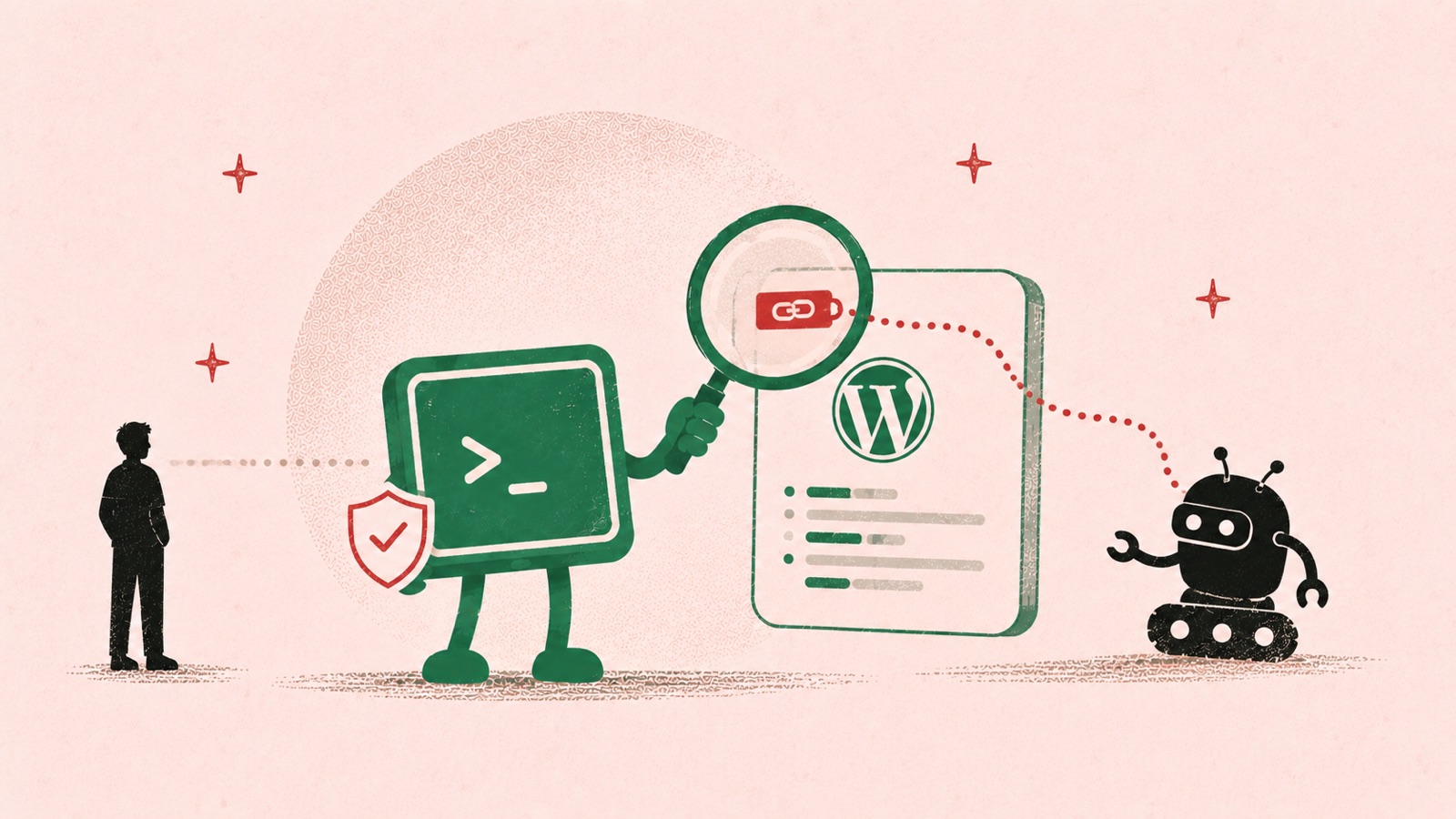
Back in 2016, 404 to 301 — my most-used plugin, then on 100,000+ sites — was flagged publicly for shipping a feature that misbehaved. It was one of the hardest weeks of my open-source life, and also one of the most instructive. I’ve kept the original apology on my old blog, but what’s actually worth carrying forward isn’t the drama — it’s the engineering lessons. So here’s the level-headed version, years later.
What actually happened
The plugin had an optional usage-tracking feature. It came out of a partnership: another developer wanted anonymous usage statistics (visitor IP and user-agent), and in exchange the plugin would display a small third-party “credit” text link. On install, users were asked to opt in.
Two things made that a bad design, and I own both:
- The credit links were remote content. The text to display was fetched from the partner’s server, so what actually got served wasn’t fixed in my plugin’s code — it could change at any time, without a new plugin release for anyone to review.
- That’s exactly what happened. The partner later changed their server to return cloaked ad links — injected near the top of the page, but only when a search-engine crawler requested it, so a normal visitor never saw them. That’s cloaking, and it can damage a site’s search rankings. A security vendor found it, published a report, and a wave of negative reviews followed.
I removed the tracking feature completely and shipped an update within hours of learning about it. The WordPress.org plugins team reviewed the situation, and the takeaway they reinforced has stuck with me: third-party ads must be opt-in and must never track users.
The three mistakes
Stripped of everything else, I made three concrete engineering errors:
- I shared commit access without keeping control. The partner’s code went out under my account, and I treated their contributions with less scrutiny than my own.
- I misread the guidelines on remote content. I thought a small credit link was harmless. Loading anything from a third-party server into someone else’s site is not harmless — it’s a decision with security and privacy weight.
- I didn’t keep verifying the remote response. I tested it once, saw the small credit text, and trusted it. A response you fetch from someone else’s server is not a thing you verify once; it’s a thing that can change the day after you look away.
Why this is a supply-chain problem, not a one-off
The reason this is worth retelling is that it’s the same shape as the supply-chain attacks that keep hitting the ecosystem: code or content you don’t fully control, running inside software people trust. It doesn’t matter whether it arrives as an npm dependency, a “partner” SDK, or a friendly credit link — the moment a remote party can change what your software does after review, you’ve handed them your users’ trust.
The uncomfortable part is that the popularity of the plugin made it more attractive as a vector, not less. Reach is exactly what makes a plugin a target.
What I do differently now
- No shared commit access without review. Contributions get read and understood before they ship, no matter who they’re from.
- Remote content is an attack surface. If a feature loads anything from an external server, it gets treated as untrusted — verified, constrained, and monitored, not tested once and forgotten.
- Opt-in, and no tracking. Anything touching a user’s visitors is opt-in by default and collects nothing that identifies them. When in doubt, it doesn’t ship.
- Fix first, explain fully. Remove the offending code immediately, then be transparent about what happened. People are remarkably forgiving of an honest, fast response.
404 to 301 has carried no third-party tracking or remote ad code since that 2016 update, and it never will again. The incident was avoidable, and owning that is the point — but the reason to write it down is so the next developer weighing a too-good partnership offer recognises the shape of it before signing on.
— JJ
Frequently asked questions
- Is the 404 to 301 plugin safe to use now?
- Yes. The usage-tracking feature was removed completely in 2016, within hours of the issue surfacing, and 404 to 301 has contained no third-party tracking or remote ad code since.
- What happened with the 404 to 301 plugin in 2016?
- An optional usage-tracking feature, added through a partnership, collected anonymous visitor data and displayed a third-party credit link fetched from a remote server. The partner later changed that server to inject cloaked ad links for search-engine crawlers. Once reported, the feature was removed and the plugin updated.
- What is cloaking in the context of a WordPress plugin?
- Cloaking means serving different content to search-engine crawlers than to human visitors. In this case, hidden ad links were injected only when a bot crawled the page, so real visitors never saw them. Google treats cloaking as a violation that can hurt a site's rankings.
- What are the main plugin-security lessons from this incident?
- Never share commit access without keeping review and control; treat any feature that loads remote content as an untrusted attack surface and verify its responses continuously; and make any third-party ads or tracking strictly opt-in and non-identifying.